


Refrigerant Gas R125
Zhejiang Jiasheng: Your Premium Helium Supplier!
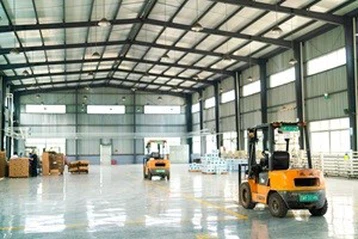
Zhejiang Jiasheng Chemical Co.,Ltd. is a professional supplier of refrigerant, helium OEM processing and repeated packaging and filling services. Our company is located in Jiaxing City, Zhejiang Province, China, equipped with multiple fully automatic small can production lines (90 cans/minute) and automatic cylinder filling lines, and has created the refrigerant brand "F.continent" and the helium brand "AngelWing". Our products are sold to Europe, America, East Asia, Middle East, Africa, South Asia, North America, South America and other regions.
Rich Experienced:Our team consists of experts from various fields such as R&D, engineering, production and marketing. Each person has more than 10 years of experience in refrigerant R&D and production.
Compliance Production:Our company has the Republic of China cylinder filling license, movable pressure filling license, and the production process complies with ISO90001 certification.
High Yield:Our production workshop covers an area of 4,300 square meters and contains multiple semi-automatic filling production lines and inspection equipment, which can automatically complete vacuuming, filling, heat sealing, palletizing and other operations. The workshop has a production capacity of 8 tons per hour, a daily production capacity of 100 tons, and an annual production capacity of 30,000 tons.
Strict Quality Inspection:From raw materials, production process, product sampling analysis to quality control, the company adopts German DIKMA company standard samples and CIPAC methods to ensure that the filling accuracy of a single bottle is within ±20g and the pass rate is 100%.


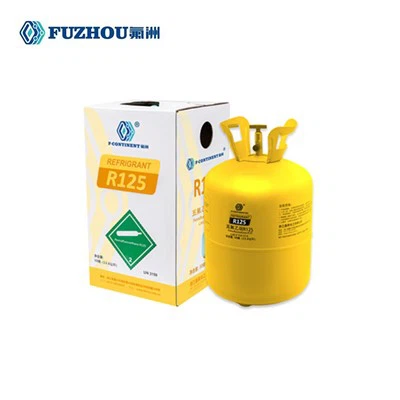


What is Refrigerant Gas R125?
Pentafluoroethane is a fluorocarbon with the formula CF3CHF2. Pentafluoroethane is currently used as a refrigerant (known as R-125) and also used as a fire suppression agent in fire suppression systems. It does not deplete ozone so it has replaced earlier fluorinated chemicals that did. However while it has zero ozone depletion potential, it has high global warming potential, reported by the United States Environmental Protection Agency (EPA) as 3450 times that of carbon dioxide. Also, it in a near azeotropic mixture with difluoromethane is known as R-410A, a common replacement for various chlorofluorocarbons (commonly known as Freon) in new refrigerant systems.
Features of Refrigerant Gas R125
Wide Uses
Our R125 refrigerant is mainly used in air conditioning, industrial cooling, cooling water units and other fields. It can also be used to prepare R22, R12, R404A, R407C, R410A, R507 and other refrigerants, or to replace Halon1211, Halon1301 and other fire extinguishing agents.
Eco-friendly
Compared with other refrigerant gases, R125 has a lower GWP of 2800, which has a lower impact on the environment. In addition, its boiling point is-48 C, which makes it suitable for high-temperature applications and can withstand high temperatures without decomposition.
Rich Specifications
This refrigerant is available in a variety of filling specifications, including refillable cylinders of 700L, 800L, 1000L and larger sizes. We can also provide you with customized capacities to provide stable cooling effects for your different equipment.
Quality Compliance
Our R125 refrigerant has undergone strict quality inspection, including pressure resistance, temperature resistance and purity testing, etc. to ensure compliance with SGS, RoSH, ISO and other certifications.
Application of Refrigerant Gas R125
R125 may be used as a replacement for chlorofluorocarbons, it is an important component of blends, such as R404a, R407c and R410a, etc.
Fire Suppression
R125 can be used in clean agent fire suppression systems also referred to as Gaseous fire suppression Agent. It is generally used in situations where water from a fire sprinkler would damage expensive equipment or where water-based fire protection is impractical, such as museums, banks, clean rooms and hospitals. It suppresses fire by absorbing heat energy at its molecular level faster than the heat can be generated, so the fire cannot sustain itself. It also forms free radicals to chemically interfere with the chain reaction of the combustion process. This makes it a highly effective firefighting agent that is safe for people and causes no damage to equipment.
Clean Agent
The HFC-125 fire suppression agent is a non-ozone depleting replacement for Halon 1301. In addition, HFC-125 leaves no residue on valuable equipment after discharge. It is considered a Clean Agent and is therefore included in the National Fire Protection Association's 2001 - Standard for Clean Agent Fire Extinguishing Systems. Generally, class B (flammable liquid) hazards require concentrations that exceed the agent's no-observed-adverse-effect level (NOAEL) so extra precautions must be taken to avoid prolonged exposure to the agent.


Refrigerants
R125 is used to make commercial and comfort refrigeration refrigerants. It is a key component of blended refrigerants that replace R-22 and R-502. For example, Freon™ 404A (R-404A) is a blended hydrofluorocarbon (HFC) refrigerant that contains R-125, R-134a, and R-143a.
Aerosol Propellants
R125 Is An Ideal Alternative To Traditional Aerosol Propellants Such As Hfc-152a, With A Lower Gwp. 322 Gwp For R125 Compared To 124 Gwp For Hfc-152a Means That The Use Of R125 Reduces The Environmental Impact Of Aerosol Products. R125 Can Be Used In A Variety Of Aerosol Products Such As Hairsprays, Insecticides, Cleaners, Etc., In A Range Similar To That Of Conventional Aerosol Propellants.
Factors of R125 Shortage is Here
Most refrigerant related discussions over the past few years have been related to the phase-out of R22 and the increased demand for its replacement, R410A. But since the middle of summer 2009, the unexpected shortage of another fluorocarbon — R125 —has been rattling the refrigerant demand chain.
R125 (HFC-125) is a fluorocarbon essential in generating new refrigerants for the non-ozone-depleting HFC refrigerants R410A, 402A, 402B, 404A, 407A, 407C, 408A, and 507.
The shortage of R125 is based on five factors:
- Global demand for HFC blends has increased significantly in 2010 due to the U.S. phaseout of R22 in new equipment resulting in increased R410A demand,
- Increased demand for new equipment as the global economy recovers from the recession, and
- The European F-Gas regulation, which bans the use of virgin R-22 for new equipment and service in Europe.
- Reduced feedstock supplies (especially chlorocarbons in China) have constrained global supplies of fluorocarbons including HFC-125 - and, feedstock prices have increased dramatically.
- Global demand for HFC-134a has increased as a result of major conversion from HCFC's in insulating foams. This also impacts HFC-125 supply since much of the world’s HFC-125 capacity is in "swing plants" that are also used to produce HFC-134a.
Refrigerant 4-1-1 asked some industry refrigerant leaders to comment on the shortage. Some say they are monitoring the situation closely, and is looking for solutions.

The Development of Refrigerants
First Generation Refrigerants
Beginnings of mechanical refrigeration, starting from early 19th century were characterized by use of natural refrigerants. Water and air were the first refrigerants considered for use in mechanical refrigeration systems. Refrigerators that were built in the late 1800s to 1929 used the first generation refrigerants like methyl chloride, ammonia and sulphur dioxide. The common refrigerants for the first hundred years included whatever worked and whatever was available. Nearly all the first generation refrigerants were flammable, toxic or both and some were also highly reactive. The characteristics of some of the first generation refrigerants are discussed below.

Water
Water is one of the oldest refrigerants being used for refrigeration applications down to about the freezing of water. When water is coupled with protective solutions to prevent freezing (i.e. propylene or ethylene glycol), it can be used well below water’s normal freezing point in applications such as ice slurries. Water is easily available and has excellent thermodynamic and chemical properties. Besides these advantages, there are technical challenges that result from its high specific volume at low temperatures. These challenges include high pressure ratio across the compressor and high compressor outlet temperatures.
Ammonia
It is denoted as R717 and is also a very old refrigerant used in vapour compression and absorption refrigeration systems. The advantages of R717 are that they have a lower molecular weight, wide range of working temperature because of its high critical point, high latent heat of vapourization and easy leak detection. However, R717 also has some disadvantages. It is highly toxic, highly irritating and flammable. Ammonia has high affinity to water, thus it is difficult to keep ammonia dry. When it contains water, it is corrosive to copper and most copper alloys. At high discharge temperatures generated by ammonia, it has the tendency to dissociate giving nitrogen and hydrogen. When these gases enter condenser, their pressures are added to the condensing pressure, thereby, increasing total pressure head and power consumption.


Sulphur Dioxide
Sulphur dioxide is one of the most used refrigerants in 1920s and 1930s, having been replaced first by methyl chloride and later by more desirable fluorocarbon refrigerants. It is highly toxic but non-explosive and non-flammable. It is non-corrosive in pure state but when it combines with moisture it forms sulphurous acids and sulphuric acids which are highly corrosive.
Methyl Chloride
Methyl chloride was first used in 1878. Methyl chloride is a colourless extremely flammable gas with a mildly sweet odour. Methyl chloride is a halocarbon of the methane series and it has many of the properties desirable in a refrigerant, which accounts for its wide use in the past in both domestic and commercial applications. Methyl chloride is corrosive to aluminium, zinc, magnesium and the compounds formed in combinations with these materials.

Second Generation Refrigerants
The second generation refrigerants were distinguished by a shift to chlorofluoro chemicals for safety and durability. Thus CFC refrigerants made the second generation of refrigerants. CFC is a non-toxic, non-flammable gas with relatively high mass.
R-11
R-11 is considered to be safe refrigerant as it is non-flammable and non-explosive. It is used in the applications like air conditioning of small buildings, factories, departmental stores, theatres etc. It can be used in the applications where the refrigeration load ranges from 150 to 2000 tons along with the centrifugal compressor.
R-12
Refrigerant R12 is used in domestic refrigerators and freezers, liquid chillers, dehumidifiers, ice makers, water coolers, water fountains and transport refrigeration. R12 is highly stable CFC and it does not disintegrate even under the extreme operating conditions. It is suitable for wide range of operating conditions. R12 is being replaced by other refrigerants and some of the suggested replacements for R12 are: R-134a, R-401a, R- 401b.
The third generation refrigerants based on hydro chlorofluorocarbon (HCFC) and hydro fluorocarbon (HFC) have been developed to replace second generation refrigerants. These offer most of the same advantages as CFC without damaging the Earth’s ozone shield, but they were developed before the environmental impact of fluorine was fully understood.
Another new class of fluorocarbon refrigerants called hydrofluoro-olefin (HFO) with potential for reduced GWP have been developed. Their primary advantage, other than their low GWP, is that they can be used with existing refrigeration system designs.
- Adding an amount of R125 refrigerant to a flammable refrigerant composition. Further comprising replacing an existing flammable refrigerant composition of the HVAC system with the composition resulting from adding the amount of R125 refrigerant to the flammable refrigerant composition.
- An HVAC system comprising an operational refrigerant composition, the refrigerant composition includes R32 refrigerant, R125 refrigerant, and R1234yf refrigerant, the percentage by weight of the R32 refrigerant, the R125 refrigerant, and the R1234yf refrigerant respectively ranges from 64.0 to 69.0, from 6.5 to 7.5, and from 25.5 to 28.5.
- Removing existing R410A refrigerant from the HVAC system; and adding a refrigerant composition to the HVAC system, the refrigerant composition including R32 refrigerant, R125 refrigerant, and R1234yf refrigerant, the percentage by weight of the R32 refrigerant, the R125 refrigerant, and the R1234yf refrigerant respectively ranges from 64.0 to 69.0, from 6.5 to 7.5, and from 25.5 to 28.5.
- Selecting a suitable amount of a second refrigerant to address GWP of the refrigerant composition; selecting a suitable amount of a third refrigerant to address capacity of the refrigerant composition; and mixing the first, second, and third refrigerant.
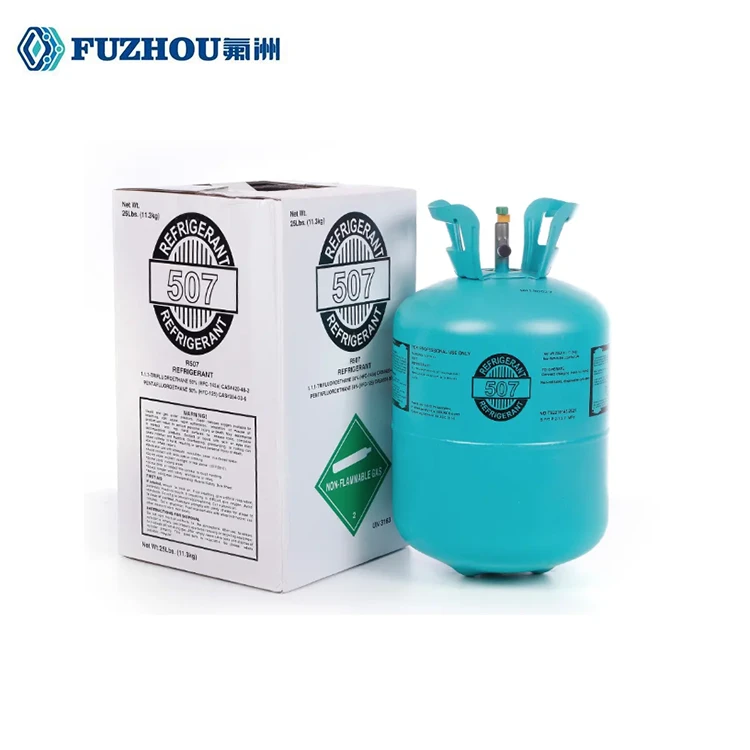
What You Should Know When Use Refrigerant Gas R125
First Aid
Inhaled
Immediately remove to fresh air. Keep them calm. If not breathing give artificial respiration. If breathing is difficult, give oxygen. Call a physician. Do not give adrenaline,ephedrine or similar drugs.
Eyes
In case of liquid contact, immediately flush eyes with plenty of water, call a physician.
Skin
Flush exposed skin with lukewarm water, and gently warming affected areas. Get medical attention if frostbitten by liquid or imitation occurs.
How To Use Correctly
Handling And Storage: Avoid breathing vapors and liquid contact with eyes, skin or clothing. Do not store in direct sun or expose it to heat above 120F. Store in a cool, will-ventilated area. R22 should not be mixed with air above atmospheric pressure for leak testing or other purpose. Do not drop or subject cylinder to rough handling, Do not tamper with pressure relief device or value.
Instruction For Use: Connect charging hose directly to value outlet with the low-pressure side of the system being serviced. Do not connect to the high-pressure side, which can result in gas release or violent cylinder bursting. Never refill this cylinder with compressed air or any other material.
Disposal Of Empty Cylinder: Do not vent the residual contents of inside cylinder to the atmosphere. Leave value open. Used cylinder should be returned to an approved reclamation/recovery center. Do not refill cylinder. Do not incinerate. Do not flame cut or weld empty cylinder.
Certificate Photo


Factory Photo