


Helium
Zhejiang Jiasheng: Your Premium Helium Supplier!
Zhejiang Jiasheng Chemical Co.,Ltd. is a professional supplier of refrigerant, helium OEM processing and repeated packaging and filling services. Our company is located in Jiaxing City, Zhejiang Province, China, equipped with multiple fully automatic small can production lines (90 cans/minute) and automatic cylinder filling lines, and has created the refrigerant brand "F.continent" and the helium brand "AngelWing". Our products are sold to Europe, America, East Asia, Middle East, Africa, South Asia, North America, South America and other regions.
Rich Experienced:Our team consists of experts from various fields such as R&D, engineering, production and marketing. Each person has more than 10 years of experience in refrigerant R&D and production.
Compliance Production:Our company has the Republic of China cylinder filling license, movable pressure filling license, and the production process complies with ISO90001 certification.
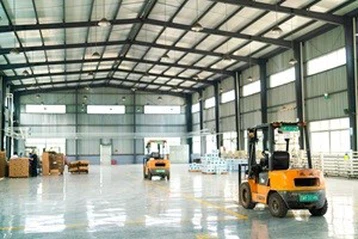
High Yield:Our production workshop covers an area of 4,300 square meters and contains multiple semi-automatic filling production lines and inspection equipment, which can automatically complete vacuuming, filling, heat sealing, palletizing and other operations. The workshop has a production capacity of 8 tons per hour, a daily production capacity of 100 tons, and an annual production capacity of 30,000 tons.
Strict Quality Inspection:From raw materials, production process, product sampling analysis to quality control, the company adopts German DIKMA company standard samples and CIPAC methods to ensure that the filling accuracy of a single bottle is within ±20g and the pass rate is 100%.


What is Helium?
Helium is a chemical element, the second lightest and second most abundant element in the observable universe. It's primarily extracted from natural gas deposits where it exists in small concentrations.
Features of Helium
Inert and Non-reactive
Helium is chemically inert, making it non-toxic, odorless, and non-flammable. Its inertness allows for safe usage in various applications without reacting with other substances.
Low Boiling and Melting Points
Helium has extremely low boiling (-268.9°C) and melting (-272.2°C) points, rendering it ideal for achieving and maintaining ultra-low temperatures, especially in cryogenic applications.
Low Density
Helium is the second-lightest element, making it exceptionally low in density. Its buoyant properties enable its use as a lifting gas in applications like balloons and airships.
Superfluidity at Low Temperatures
At very low temperatures near absolute zero, helium displays unique properties, transitioning into a superfluid state. This state enables it to flow with almost zero viscosity and exhibit unusual thermodynamic behavior.
Steps to fill a balloon with helium
Preparation:
Make sure to work in a safe and ventilated area. Check that the helium cylinder is securely fastened and that the filling equipment is intact.
Balloon Preparation:
Make sure the balloon is dry and clean and free of any dust or grease. This helps keep the balloon afloat longer.


Connect the air tube:
Connect the helium bottle to the air tube of the balloon filling device. Make sure the connections are tight to avoid gas leaks.
Filling the balloon:
Gently put the balloon mouth on the end of the trachea to ensure that the trachea can be completely filled into the balloon. Open the helium bottle valve and allow helium to slowly fill the balloon. Carefully control the inflation rate to avoid over-inflation of the balloon.
Check the status of the balloon:
During the balloon filling process, always pay attention to the status of the balloon. Once the balloon reaches the desired size, or you feel it has been filled enough, immediately close the helium bottle valve and stop inflation.
Sealing and fixing:
Seal the balloon mouth tightly to ensure that helium does not leak. Use balloon straps or string to secure the balloon mouth to prevent gas leakage.


Sealing and fixing:
Place the inflated balloon in a safe area, away from any heat or sharp objects that could cause the balloon to rupture.
Safe Storage:
Pay attention to safety: Always pay attention to safety during operation to avoid helium leakage or any accidents during the filling process.
Precautions during transportation, storage and use of helium
Transportation:
Secure securely:
When transporting helium cylinders, be sure to secure them securely to avoid collision or tilting during transportation.
Ventilation:
Ensure that the helium transport vehicle or container is in a well-ventilated area to prevent gas accumulation.
Avoid high temperatures:
Avoid exposing helium to high temperatures to avoid increasing the pressure inside the bottle and causing danger.
Prevent damage:
Protect helium cylinders from severe vibration or impact to avoid damage to the valve or container.
Storage:
Ventilated environment:
Store helium bottles in a well-ventilated area, away from high temperatures, fire sources and flammable materials.
Fix securely:
Secure the helium bottle properly to prevent it from tilting or being damaged.
Labeling and Separation:
Label storage areas and store helium bottles separately from other chemicals or hazardous materials to reduce the risk of accidents.
Use:
Safe Handling:
When working with helium, follow proper safe handling procedures, including properly connecting gas equipment and preventing leaks.
Avoid fire sources:
Helium is an inert gas, but you still need to avoid placing it near fire sources to avoid danger.
Avoid excessive pressure:
Check that gas equipment and valves are intact before use to make sure there are no leaks or damage.
Avoid excessive pressure:
Avoid excessive pressure on helium containers and adhere to the specified pressure range.
Certificate Photo


Factory Photo